

Featured insight
How AI Taught Chuchu to Animate Her Characters — A 2AM Story

sakshi.__
April 18, 2026•8 min read
#learning
She Just Wanted her Warrior to Move
A story about a girl, a broken laptop, and the future of animation
✦ ✦ ✦
The Night Everything Started
It was 2 AM and Chuchu was sitting cross-legged on her bedroom floor, surrounded by sketch books, cold coffee, and about fourteen browser tabs she definitely wasn't going to read.
She had just finished drawing her favourite character — a silver-armored warrior she'd been sketching since she was fifteen. Same character. Different moods. Different poses. But always still. Always frozen on a page.
"I just want to see her move," Chuchu whispered to nobody in particular. "Just once."
She wasn't a developer. She wasn't an animator. She was a 24-year-old with a graphic design certificate, a broken stylus, and a deep, irrational love for fictional warriors in silver armour.
But that night, something shifted.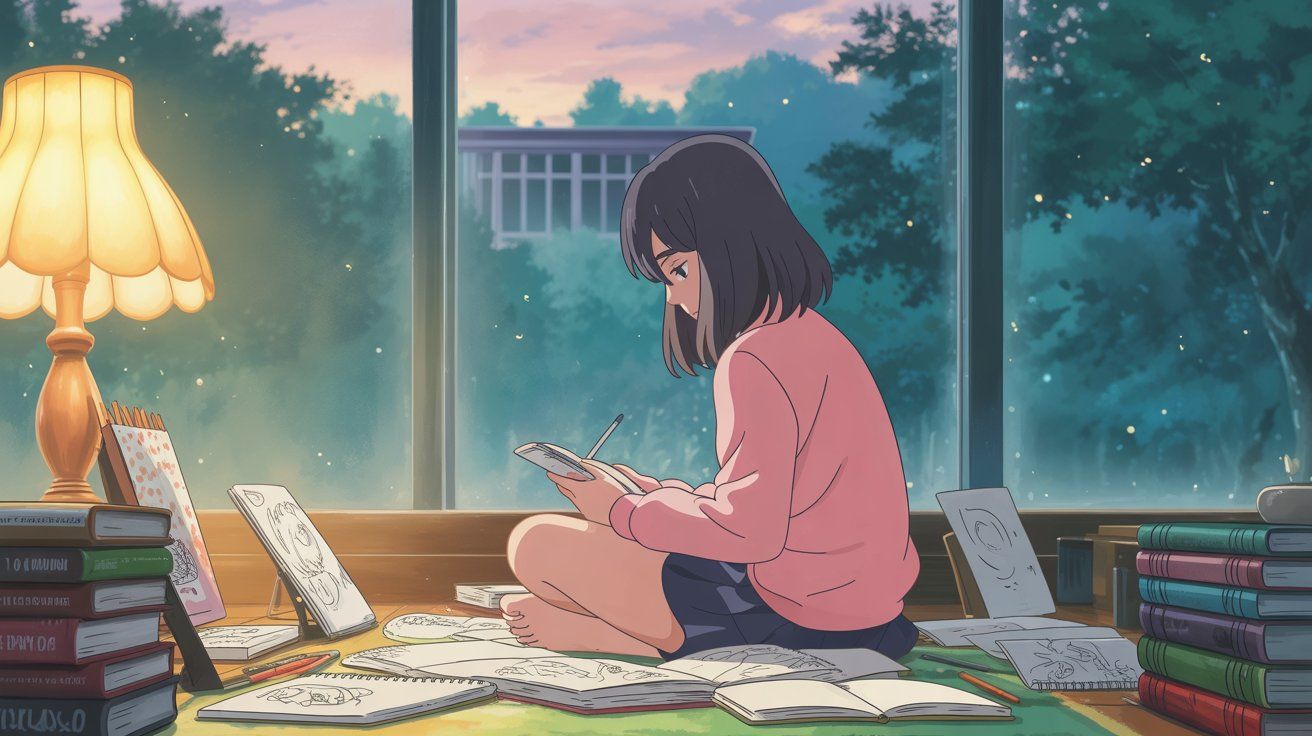
The Rabbit Hole
Chuchu started reading about AI video generation — not as a tech enthusiast, but as someone desperately Googling "how to make my drawing animated without learning After Effects for 3 years."
And she fell deep into a rabbit hole. What she found genuinely surprised her.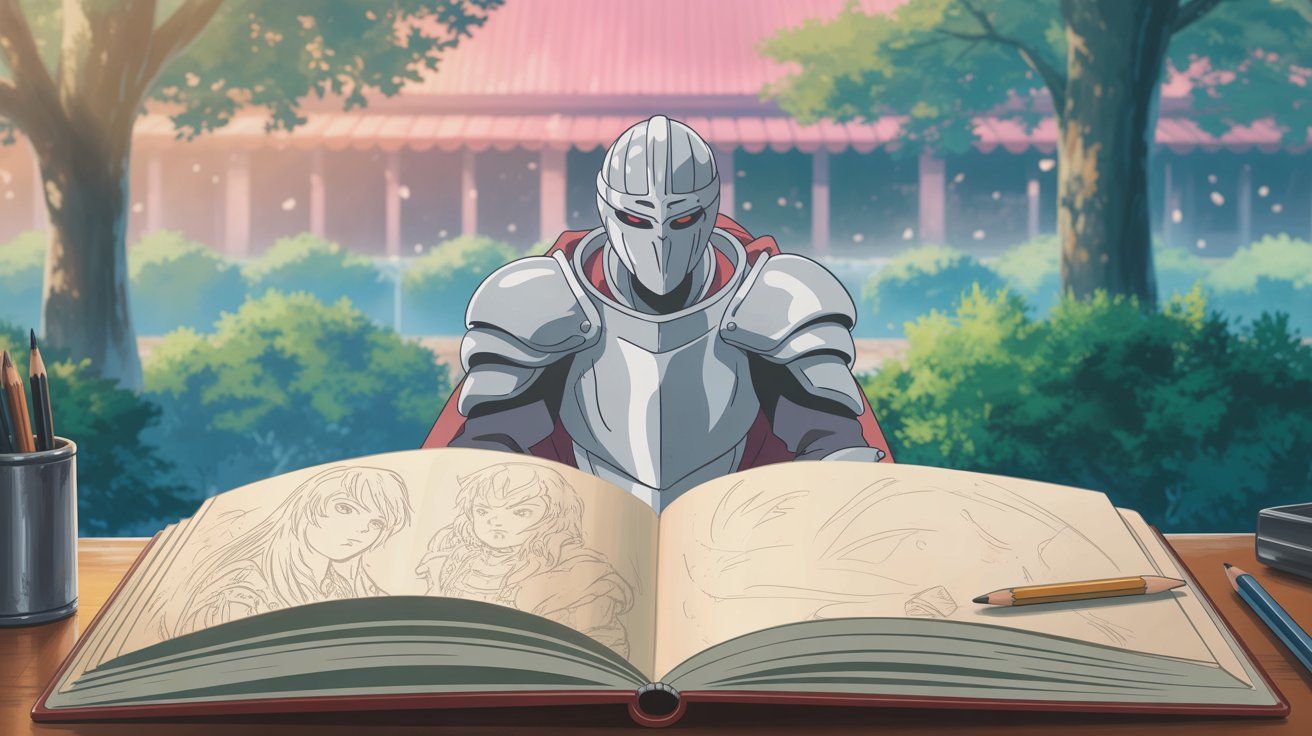
How Does AI Actually "Animate" Something?
Most people think AI animation means "the computer draws frame by frame like a human animator would." That's not quite what happens.
Modern AI video generation works through something called a diffusion model. Imagine you take a clear photo and slowly add random noise to it — like static on an old TV — until it becomes pure chaos. A diffusion model learns to do the reverse: it starts from that chaos and gradually "denoises" it into a coherent image. Do that across a series of frames with consistent motion instructions, and you get video.
"So it's not drawing," Chuchu realised. "It's dreaming. It dreams the character into motion."
The text prompt you write acts as a compass. Words like "charging forward" or "lightning sparks" aren't just descriptions — they activate thousands of visual patterns the model has seen in its training data. The model then interpolates motion between those patterns, frame by frame, creating something that feels fluid and intentional even though no human animated a single frame.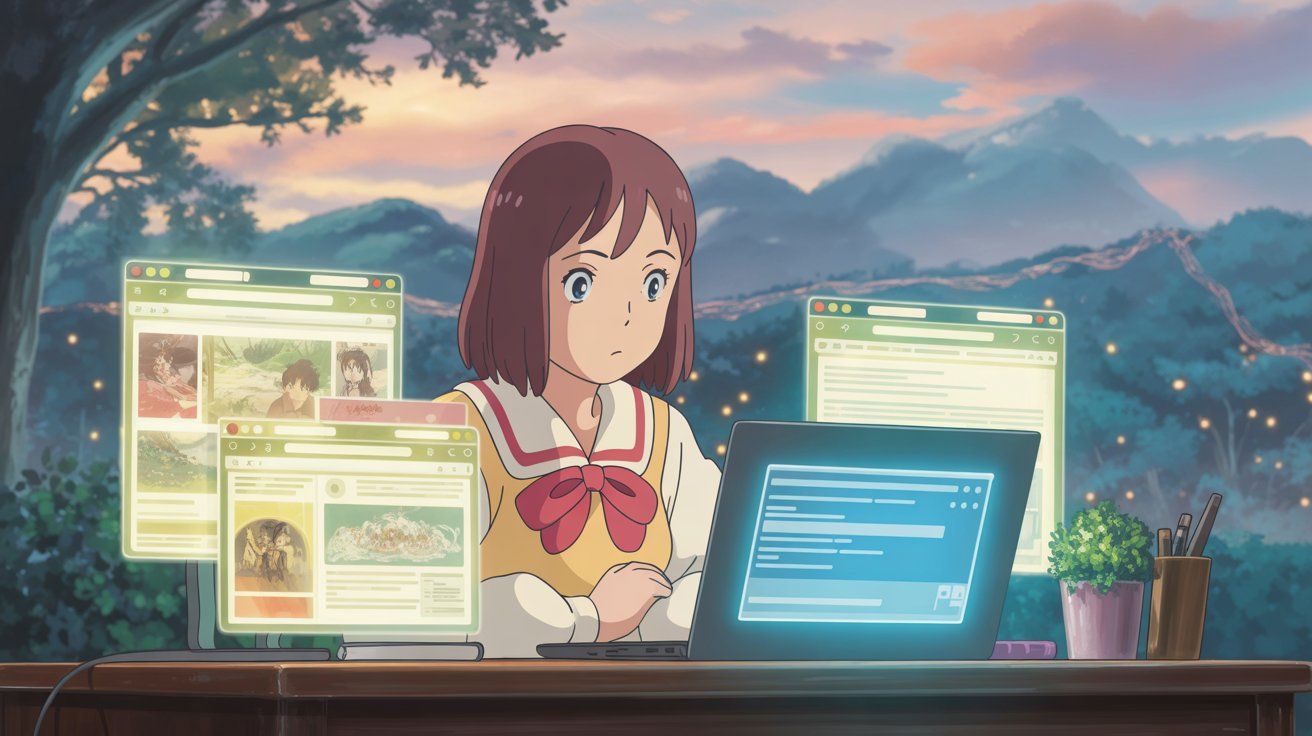
Why Text? Why Not Just Upload a Drawing?
This was the part that surprised Chuchu the most. She assumed she'd need to upload her sketch, her reference images, her years of artwork.
But text-to-video models are trained on such a vast library of visual styles — anime, cartoon, photorealistic, fantasy, sci-fi — that a well-written description can conjure a character from nothing. Your words are the blueprint. The AI is the architect.
The key is specificity. "A warrior" gives the AI too much freedom. "A silver-armored anime warrior with white hair, charging forward through electric blue lightning, motion blur, cinematic" gives it a precise vision to build from.
Chuchu spent that entire night testing. Writing prompts. Watching renders. Adjusting words. Learning that "stormy background" felt different from "dark thundercloud sky" and that "determined" gave a character one energy while "furious" gave them another.
She wasn't coding. She was writing. And the AI was listening.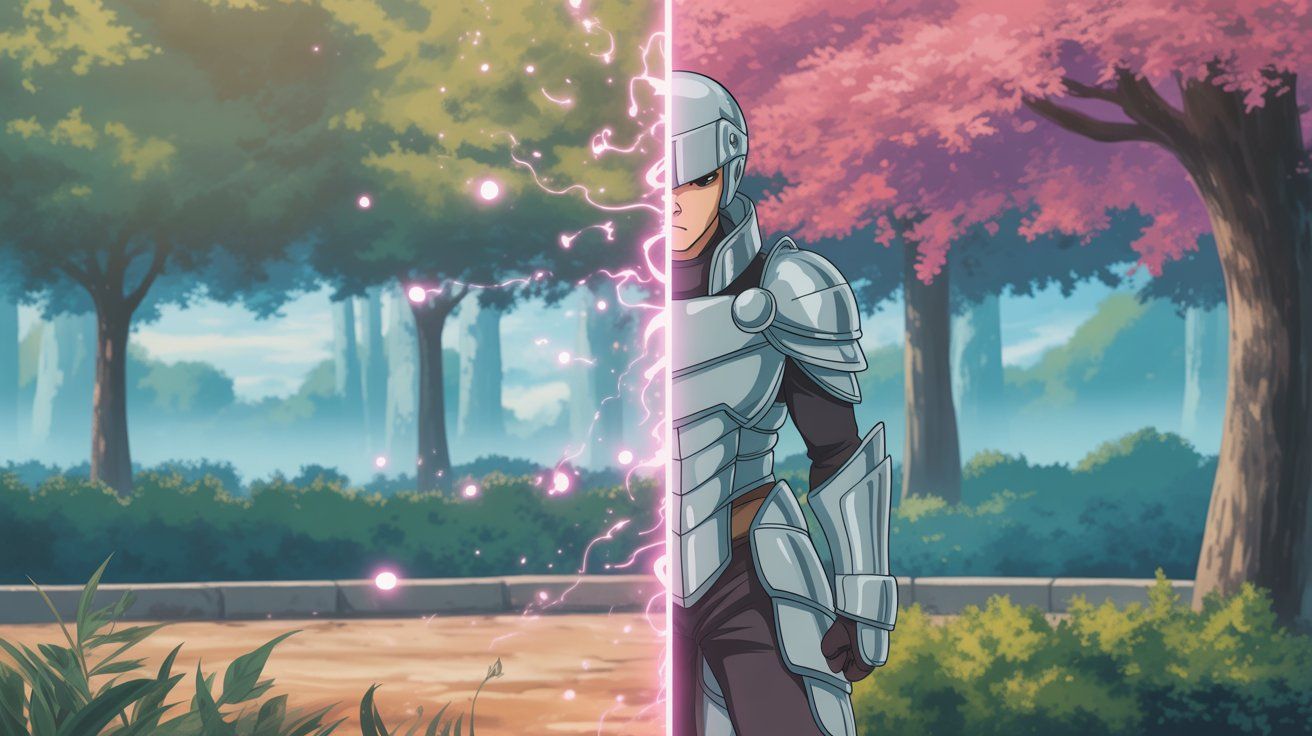
The Moment Chuchu Built Something
By 5 AM, Chuchu had gone from curious to obsessed. She wasn't just generating videos anymore. She was thinking about everyone else who felt the way she did. People who had characters living in their heads but no way to bring them to life. Cosplayers. Writers. Game designers. Kids who drew in the margins of their notebooks.
She wanted to build something simple. No complicated interface. No uploading. No technical skill required. Just: describe your character, choose their action, pick a mood — and watch them come alive.
That idea became VivifyAI.
Not because Chuchu wanted to build a startup. Not because she had investors or a business plan. But because at 2 AM, she just wanted to see her warrior move. And she figured — if she wanted that, so did a million other people.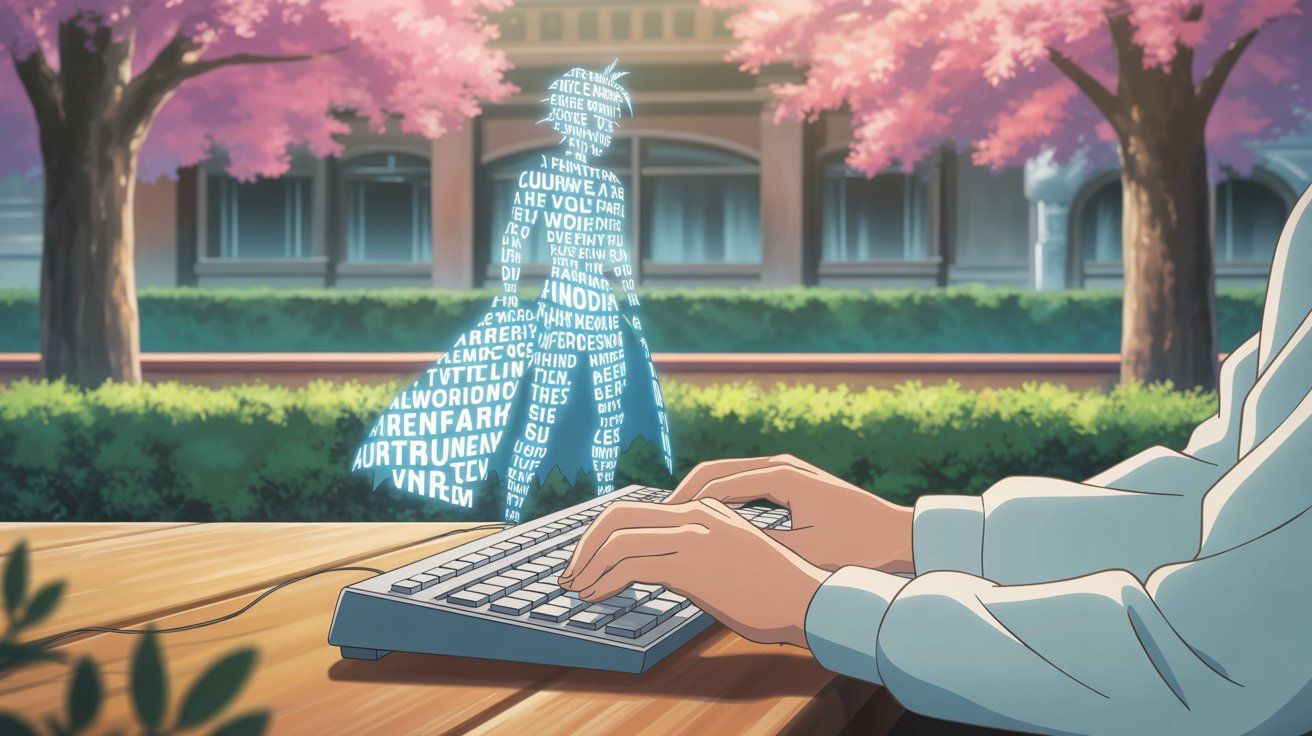
What This Means For All of Us
Here's the thing Chuchu wants you to take away from this — not about any app, but about this moment in technology:
For most of human history, animation was a craft reserved for studios, professionals, and people with years of training. Walt Disney employed hundreds of artists to move a single character across a screen. Pixar needed supercomputers and PhDs.
Today, a 24-year-old with a broken stylus and cold coffee can describe a character in a text box and watch them run, fight, and glow with lightning — in seconds.
The barrier between imagination and reality just got a lot thinner.
That's not a product pitch. That's just what's happening. And it's worth paying attention to.
Chuchu's Warrior Finally Moved
At 6:17 AM, just as sunrise crept through her window, Chuchu typed one final prompt:
"A silver-armored warrior with white hair, charging forward through lightning, determined expression, anime style, cinematic motion blur, dramatic."
She watched the progress bar fill. The video rendered. And there she was — her warrior — finally, actually, undeniably moving.
Chuchu cried a little. Then she laughed at herself for crying. Then she made seventeen more.
Some ideas don't start in boardrooms. They start at 2 AM, on a bedroom floor, with a character that just needs to move.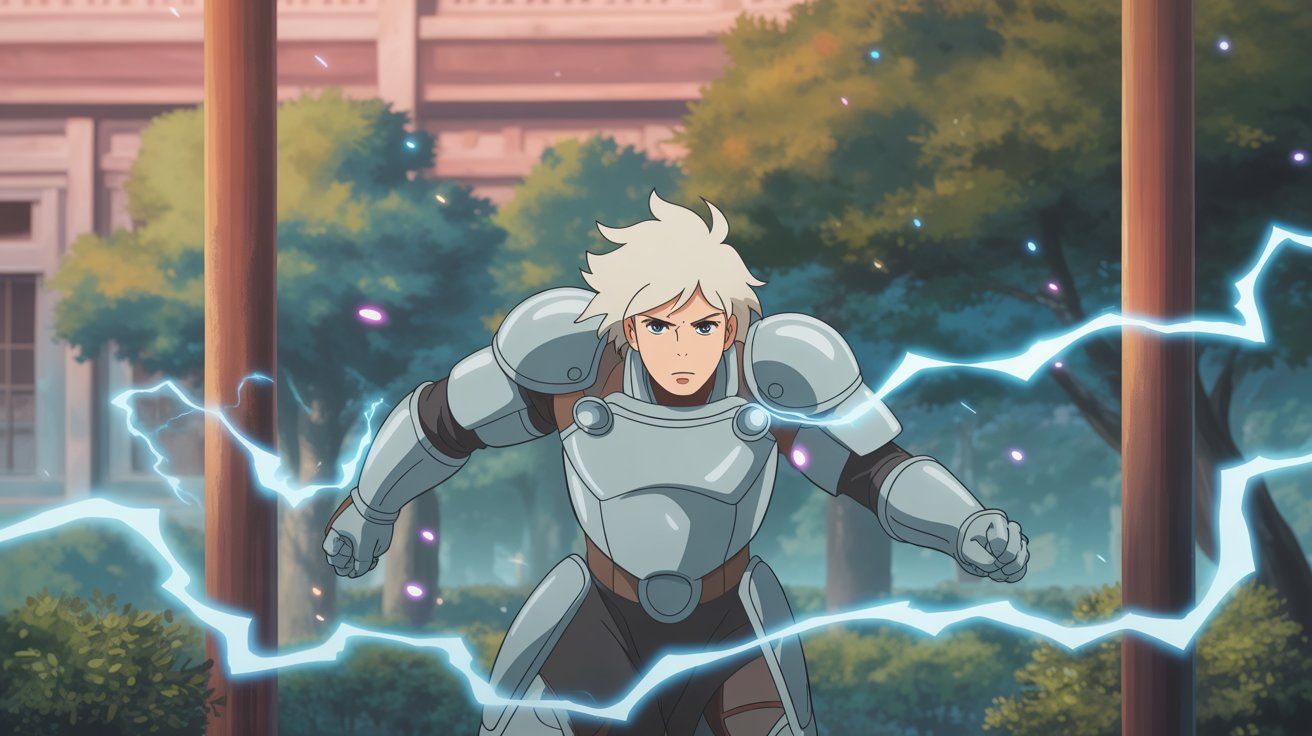 ~ Written by someone who also stayed up too late making things move. ✦
~ Written by someone who also stayed up too late making things move. ✦0 Comments

No comments yet. Be the first to start the discussion!