

Featured insight
You're Not Bad at Learning: The Spaced Repetition Playbook

infected-mushroom
November 28, 2025•8 min read
#learning
Look, I'm going to level with you.
This isn't another article about "learning hacks" or "memory tricks." This is a practical playbook for people who are actually trying to remember important things whether that's pharmacology for your medical boards, therapy frameworks for your clients, or the names of all your grandkids' friends.Here's the premise: You're already putting in the work. You're already making flashcards or taking notes or trying to memorize things. But most of that effort is evaporating because the method is
broken.
So let's fix it. And let's make it specific to what you're actually doing with your life.
The Core Principle (Everyone Needs This)

Before we get into the specific playbooks, let me give you the one thing that applies to everyone:
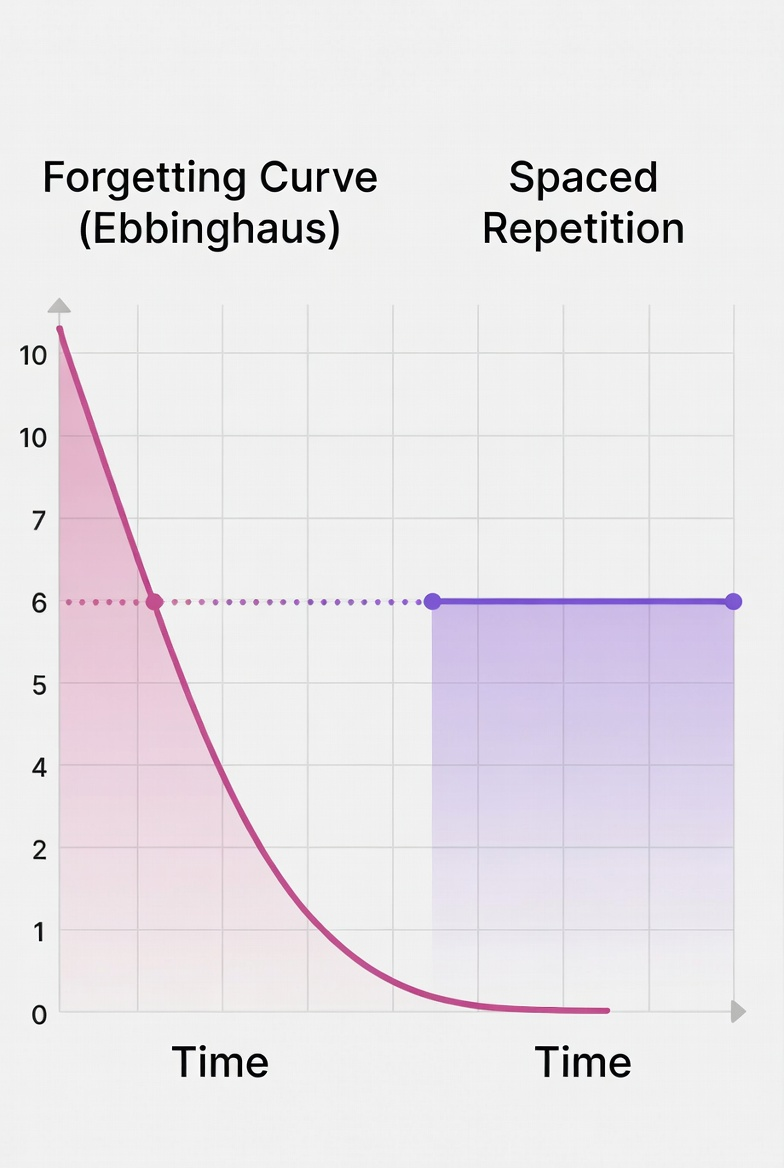
Your brain remembers things best when it has to work slightly hard to retrieve them right before they're about to slip away.
That's it. That's the whole science in one sentence.
When you review something you learned five minutes ago, you're wasting your time. When you wait so long that you've completely forgotten it, you're starting from scratch. But when you review it right at that sweet spot where you have to think for a moment, maybe struggle a little, and then it comes back that's when your brain goes, "Oh, this is important. Let me reinforce this.
The technical term is "spaced repetition," and it's one of the most researched findings in cognitive psychology. Medical students using it retain 80% of material after six months. Traditional methods?
About 30%.
Now, let's get specific about how YOU can use this.
The Playbooks
For Medical Students & Healthcare Professionals
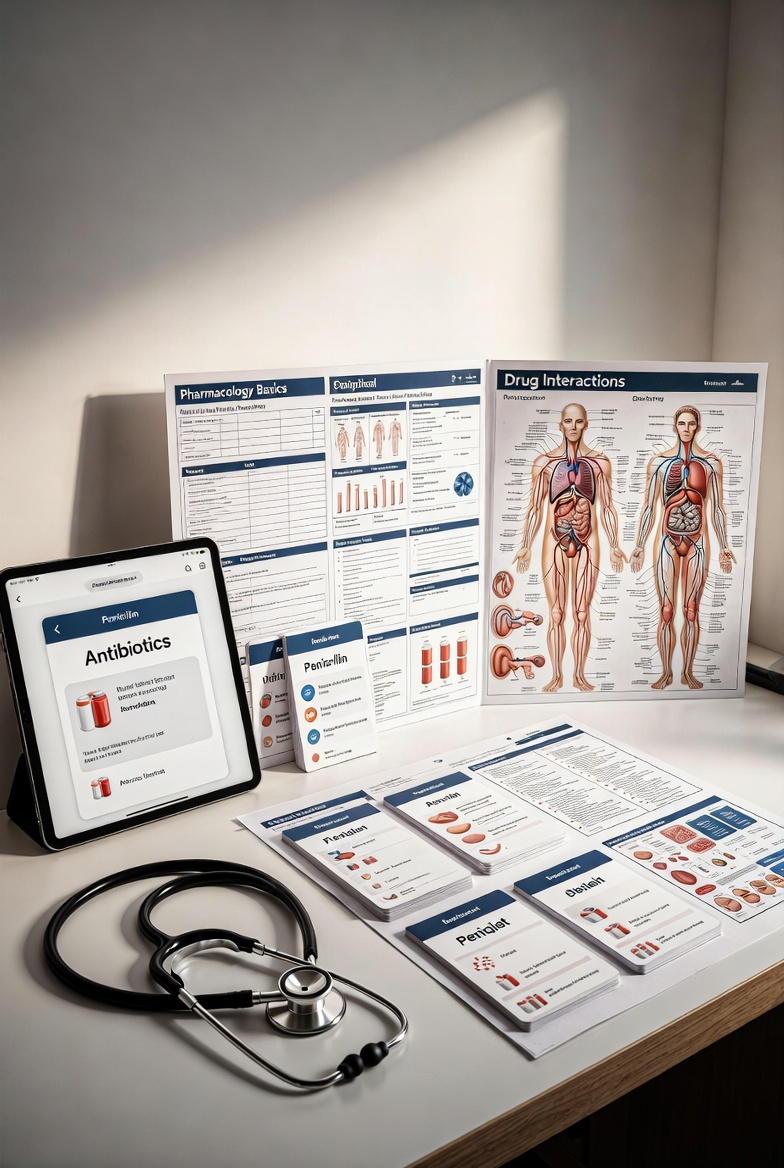
Your Challenge:You need to memorize thousands of facts drug interactions, diagnostic criteria, anatomical structures, treatment protocols and you need them accessible under pressure.
Your Playbook:
Week 1: Foundation Building
- After each lecture or study session, create 15-20 RentPrompts cards immediately
- Make them specific: "What are the 5 causes of clubbing?" not "Tell me about clubbing"
- Include clinical context: "45yo smoker with clubbing + weight loss →?" (answer: think lung cancer)
- Review all new cards daily for first 3 days
Week 2+: Let the Algorithm Work
- Your daily review will be 30-50 cards (15 minutes)Cards you nail: won't see for weeks
- Cards you struggle with: back tomorrow
- Before rounds/clinicals: quick review of relevant deck
Pro Tip for Clinicals:Create a "Pre-Rounds" deck with essential facts you need at your fingertips. Review it every morning before you see patients. Within two weeks, you'll look like you have a photographic memory.
Real Example:"I went from barely passing pharmacology to teaching it to classmates. Same amount of study time went from scattered reviewing to 20 minutes of spaced repetition daily. The difference was embarrassing." 3rd year medical student
For Working Professionals (Non-Medical)
Your Challenge:You're learning new systems, frameworks, compliance requirements, client information, industry terminology but you only have fragmented time to study.
Your Playbook:
Setup (One Sunday Afternoon):
- Download RentPrompts on your phone
- Create a deck for each major area: "Client Protocols," "Industry Terms," "Software Functions," etc.
- Make 10 cards for the most critical information you need this month
Daily Routine:
- Morning coffee: 10 minutes of reviews
- That's it. Seriously.
- The app tells you exactly which cards to review each day
Before Important Events:
- Client meeting tomorrow? Review that client's deck
- Presentation on Friday? Review those framework cards Wednesday and Friday morning
- Onboarding new team members? Review your training deck
Pro Tip for Busy Schedules:Set a recurring calendar block: "Knowledge Review - 10 min" every morning. Treat it like a meeting you can't skip. Within three weeks, it becomes automatic.
Real Example:"I'm a project manager handling five clients. I used to panic before every call trying to remember project details. Now I have a deck for each client. Five minutes before the call, I review it. My clients think I have an incredible memory. I just have a system." PM at tech consulting firm
For Students (High School & University)
Your Challenge:Multiple subjects, constant exams, information overload. You need to remember stuff long enough to actually use it, not just pass the test.
Your Playbook:
After Every Class:
- Spend 5 minutes making flashcards from your notes
- Don't make cards for everything just the stuff that will definitely be on the exam or that you'll need for future classes
- Make them specific: "What's the difference between ionic and covalent bonds?" not "Explain bonds"
Study Schedule:
- Daily reviews: 15-20 minutes (usually 30-50 cards)
- Week before exam: the app will automatically show you the cards you're shakiest on
- Two days before exam: your weak spots are now much stronger because you've been reviewing them more frequently
For Essay-Based Subjects:
- Create cards for key arguments: "What's Marx's critique of capitalism in 3 points?"
- Include example quotes (but paraphrase them in your answers)
- Make cards for essay structures: "How to structure a comparative essay"
Real Example:"I used to cram for every exam and forget everything immediately after. Now I do 15 minutes daily. My GPA went from 2.8 to 3.6, and I actually remember what I learned. Like, I can still tell you about Renaissance art from last semester." Junior, Liberal Arts
For Parents Teaching Their Kids

Your Challenge:You're helping your kids with homework, wanting them to actually learn (not just memorize for tests), and you're not a professional educator.
Your Playbook:
For Elementary School:
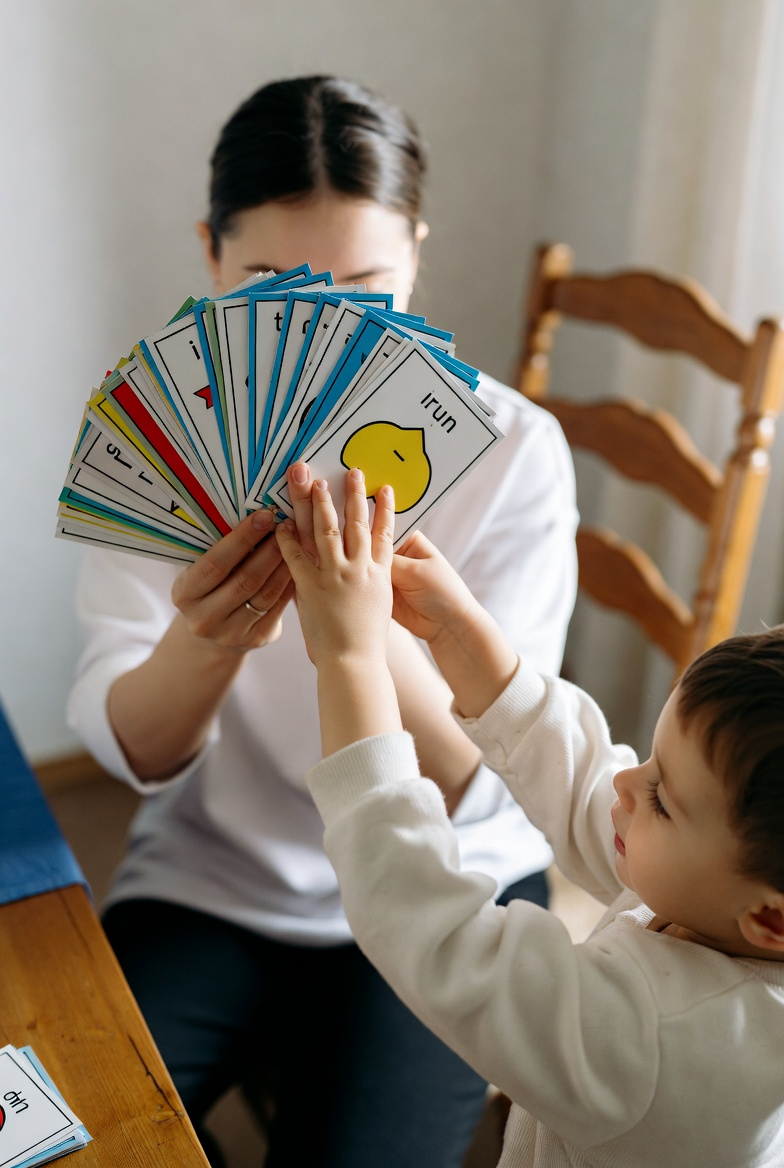
- Make physical flashcards together (the tactile experience matters for kids)
- Keep it playful: "Let's see if you can remember all the state capitals by your birthday!"
- Use the Leitner box system (explained below) with actual boxes they can touch
- Review for 5-10 minutes while waiting (car rides, before dinner)
For Middle/High School:
- Teach them to make their own cards after study sessions
- Review together 2-3x per week at first
- Gradually hand over responsibility as they build the habit
- Show them RentPrompts when they're ready for independence
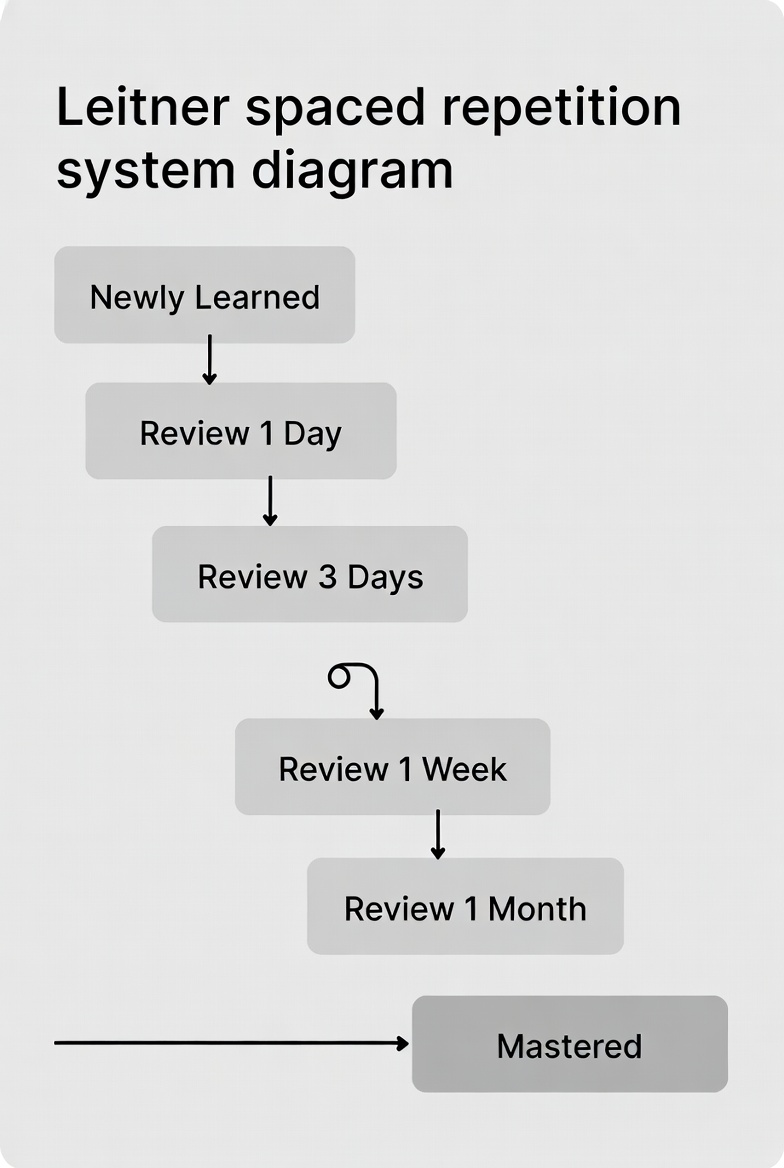
The Leitner System (Perfect for Physical Cards):
- Get 5 boxes or envelopes
- Box 1: Review daily
- Box 2: Review every 2 days
- Box 3: Review weekly
- Box 4: Review monthly
- Box 5: Mastered
- Got it right? Move to the next box. Got it wrong? Back to Box 1.
Real Example:"My daughter was struggling with Spanish vocab. We made physical cards, used the box system, and reviewed for 5 minutes during breakfast. Six weeks later, she went from C's to A's. More importantly, she actually enjoys learning now because she can see herself improving." Parent of 7th grader
For Therapists & Mental Health Professionals
Your Challenge:You need to remember treatment protocols, diagnostic criteria, research findings, therapeutic techniques, and client-specific information all while staying present in sessions.
Your Playbook:
Clinical Knowledge:
- Create decks by modality: "CBT Techniques," "Trauma Protocols," "DSM Criteria"
- Include decision trees: "Client presents with X symptoms → consider Y & Z"
- Add research findings: "What does the 2023 meta-analysis say about EMDR efficacy?"
Client Management:
- Separate deck for each client (confidential information only in secure apps)
- Include: previous session themes, treatment goals, family dynamics, triggers
- Review the client's deck 5 minutes before each session
- Update immediately after session with new relevant info
Continuing Education:
- After workshops/trainings, create cards for new techniques
- Include: when to use, contraindications, expected outcomes
- Review regularly so new skills actually integrate into practice
Pro Tip for Ethical Practice:Never store identifying client information in flashcards. Use "Client A" or neutral descriptors. Better yet, keep clinical knowledge separate from client-specific decks and ensure client decks are on HIPAA-compliant platforms or paper only.
Real Example:"I see 25 clients a week. I used to skim notes frantically before each session. Now I have a 3-minute review system. I walk into every session fully present, remembering details clients mentioned weeks ago. They feel seen, and my clinical decisions are sharper." LCSW, private practice
For Educators & Teachers
Your Challenge:You need to remember 150+ student names, individual learning needs, curriculum standards, lesson plans, and you're trying to model effective learning for your students.
Your Playbook:
Student Information:
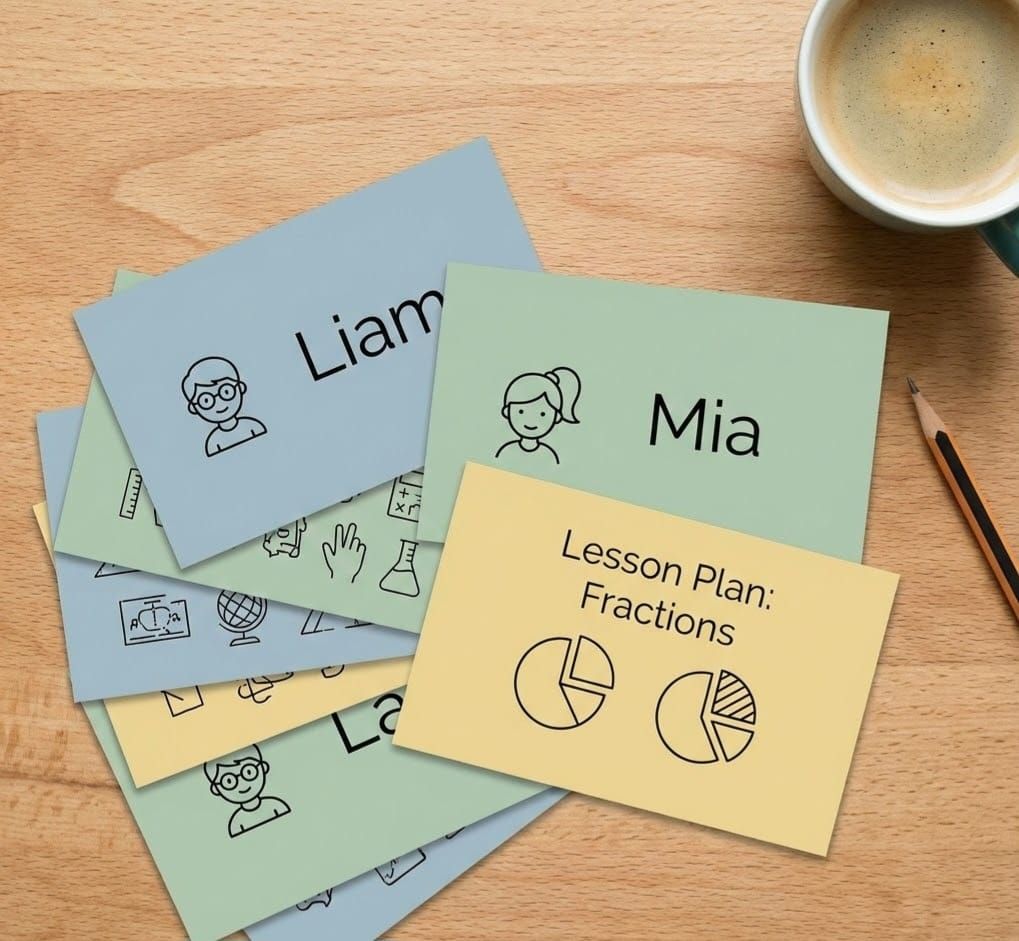
- Create a deck with student names + key details
- Include: learning style, accommodations needed, family context, strengths
- Review before parent conferences
- Update throughout the year as you learn more
Curriculum Mastery:
- Cards for standards you need to teach: "What are the 8th grade writing standards?"
- Lesson plan elements: "What are the 5 components of a complete lesson?"
- Differentiation strategies: "How to modify this activity for ELL students?"
Teaching Your Students This Method:
- Do a class lesson on spaced repetition (they'll use it for life)
- Help them make flashcards for your subject
- Set aside 5 minutes at start/end of class for review
- Make it a game: who can move the most cards to "mastered" this week?
Real Example:"I teach 150 high schoolers across 5 classes. I created a deck with each student's name, face (from roster photos), and key info. By week 3, I knew everyone's name and something personal about them. Students were shocked. They felt seen. Classroom management improved because relationships were stronger." High School History Teacher
For Grandparents & Lifelong Learners
Your Challenge:You want to stay sharp, remember family details, learn new things (languages, hobbies, technology), and you're fighting the myth that memory declines inevitably with age.
Your Playbook:
Family Connections:
- Create cards for grandchildren's interests, friends' names, school details
- Include: "Emma's best friend is ___", "Jake is playing ___ this season"
- Review before family gatherings
- They'll be amazed you remember their world
New Skills:
- Learning bridge? Card for every bidding convention
- Learning Italian? Vocab cards with pronunciation notes
- Learning smartphone features? Cards for each function you want to master
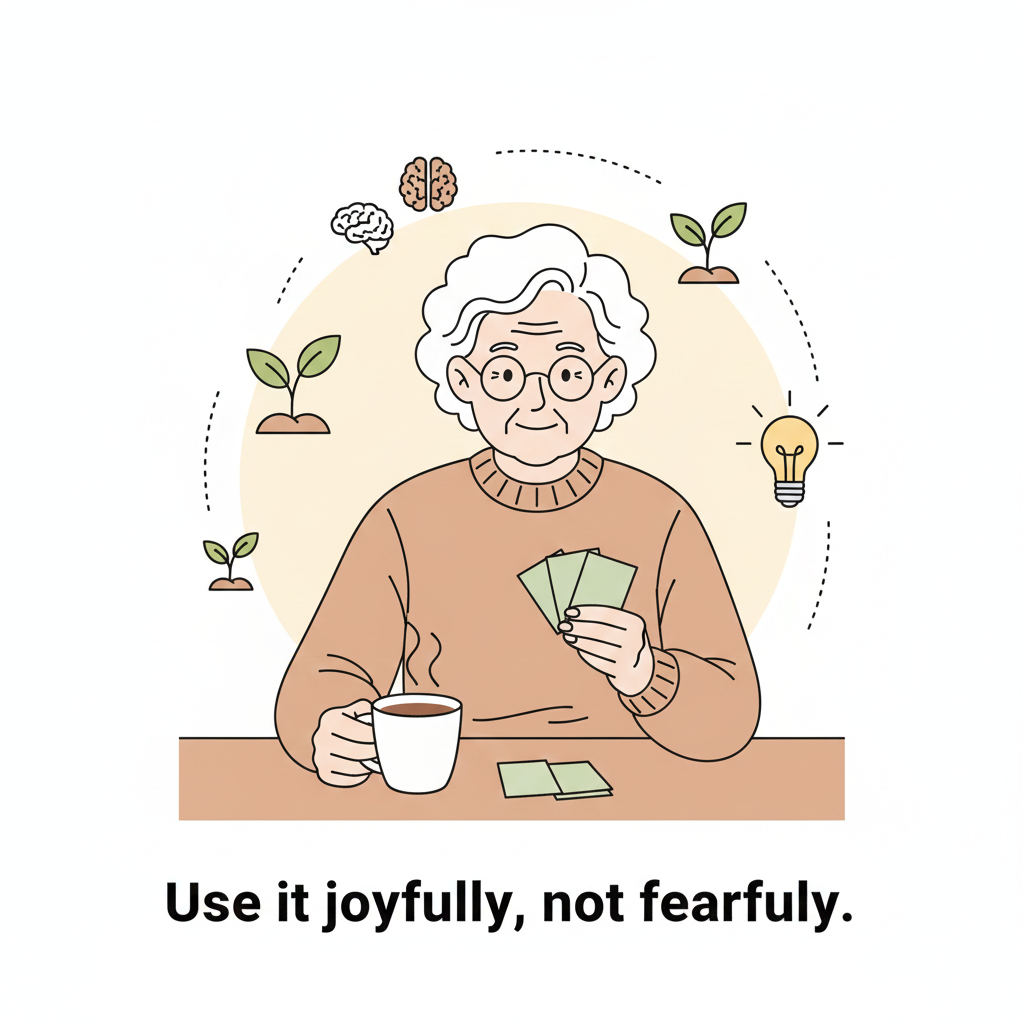
Physical Cards Work Great:
- Many older adults prefer tactile learning
- Use the Leitner box system with actual boxes
- Review during morning coffee or evening TV
- No technology required
Fighting Cognitive Decline:
- Research shows active learning and spaced retrieval practice strengthen neural connections at any age
- 10-15 minutes daily of effortful memory retrieval is like exercise for your brain
- It's not about "preventing decline" it's about building new strengths
Real Example:"I'm 68. Started using spaced repetition to learn Spanish for my trip to Spain. Not only did I learn the language, but I noticed I was sharper with everything else remembering names, appointments, where I put things. Use it or lose it is real, and this system makes 'using it' actually enjoyable." Retired Engineer
The Universal Setup Guide
Regardless of which playbook above fits you, here's how to actually start:
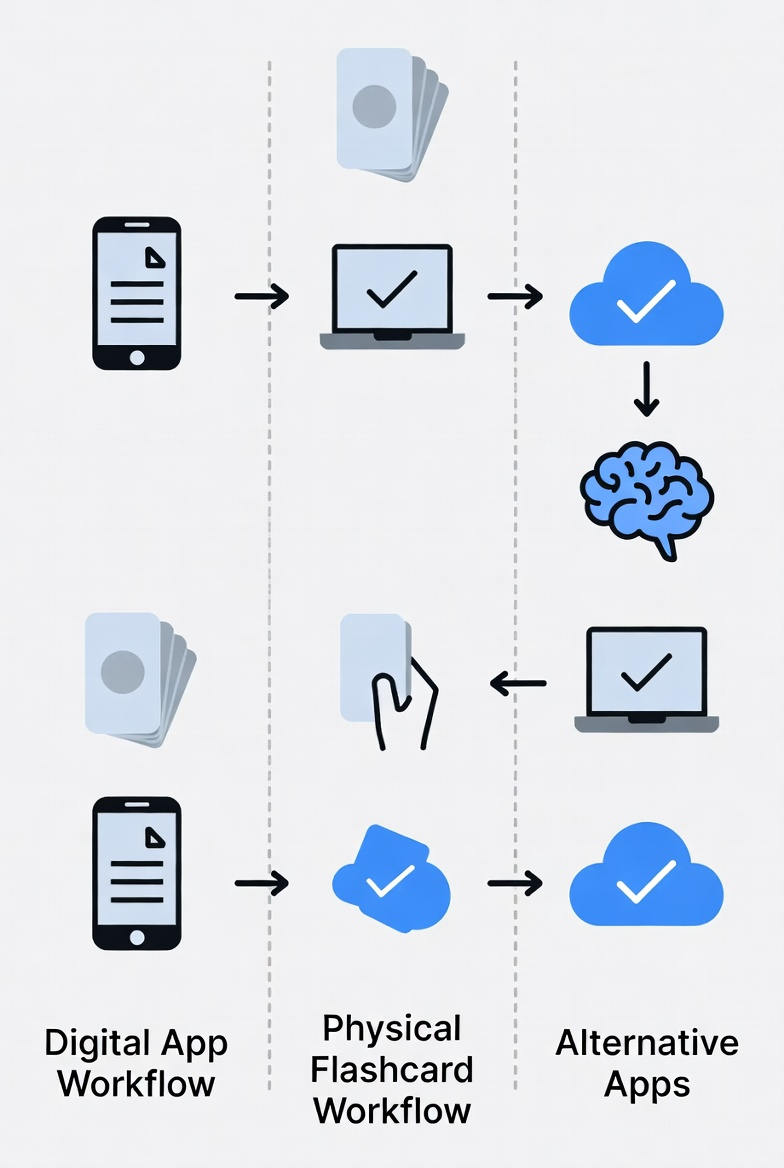
Option 1: Digital (RentPrompts - Free & Most Powerful)
Setup (20 minutes):
1. Download RentPrompts on computer or phone (RentPromptsWeb.net)
2. Watch one 10-minute YouTube tutorial ("RentPrompts for Beginners")
3. Create your first deck
4. Make 10 cards
5. Set a daily reminder: "Review RentPrompts - 10 min"
Daily Routine:
- Open RentPrompts
- It shows you exactly which cards to review
- Do them (usually 15-20 minutes)
- Close RentPrompts
- That's it
Option 2: Physical (Leitner System - No Technology)
Setup (30 minutes):
1. Get 5 boxes, envelopes, or labeled sections
2. Label them: "Daily," "Every 2 Days," "Weekly," "Monthly," "Mastered"
3. Make your first 20 cards
4. Put all in "Daily" box
Daily Routine:
- Review everything in "Daily" box
- Got it right? Move to "Every 2 Days"
- Got it wrong? Stays in "Daily"
- Every 2 days: review "Every 2 Days" box (same rules)
- Continue with other boxes on their schedules
Option 3: Other Apps
- RemNote: Good for students, integrates with note-taking
- Quizlet: Easier interface, less powerful algorithm
- SuperMemo: Original spaced repetition software, steeper learning curve
Common Mistakes (And How to Avoid Them)
Mistake 1: Making Too Many Cards at Once Do not create 200 cards in one sitting. You'll burn out. Make 10-20 per study session.
Mistake 2: Cards That Test Multiple Things Bad: "What are the causes, symptoms, and treatments of diabetes?"Good: "What are 3 main causes of Type 2 diabetes?"
Mistake 3: Cards Without Context Bad: "Mitochondria - powerhouse of cell"Good: "Why are mitochondria called the powerhouse of the cell?" (Forces understanding, not rote memorization)
Mistake 4: Skipping Days and Then Giving Up Missed three days? Just pick up where you left off. The app adjusts. Don't abandon the whole system because you're not perfect.
Mistake 5: Not Trusting the Algorithm When the app says you won't see a card for 2 weeks, you'll panic. Trust it. The math works.
When You'll See Results
Week 1: You're still learning the system. Feels awkward. That's normal.
Week 2: You start noticing information sticking better. Small wins.
Week 3-4: The habit is forming. Daily reviews take less time as the algorithm optimizes.
Month 2: You realize you remember things from Week 1 without any recent review. This is when it clicks.Month 3+: Information you learned months ago is still accessible. You have genuine confidence in your knowledge.
The compound effect: By month six, you've learned and retained more than you did in the previous two years using traditional methods.
The Real Talk Section
Look, I need to be straight with you about something.
This system is borderline magical in its effectiveness. But it requires one thing from you: showing up consistently.
Not when you feel motivated. Not when you're panicked before an exam or presentation. Every day. For 10-20 minutes.
That's the deal.
If you can't commit to that, then honestly, stick with your current method. Because starting this system, using it inconsistently, and feeling guilty about it is worse than just accepting that traditional cramming is your approach.
But if you CAN commit if you can protect 15 minutes a day like you protect brushing your teeth then this will change how you learn for the rest of your life.
I'm not exaggerating. Talk to anyone who's used spaced repetition consistently for six months. They all say the same thing: "I can't believe I spent years learning the hard way."
Your Starting Point (Choose One)
If you're a student: Make 10 flashcards tonight from your most recent class notes. Review them tomorrow morning.
If you're a professional: Make 10 cards about information you need for this week. Set a 10-minute calendar reminder for tomorrow morning.
If you're a parent: Sit with your kid tonight and make 10 cards together for their hardest subject. Make it fun.
If you're a therapist: Create 5 cards about your next client. Review them before tomorrow's session.
If you're an educator: Make 10 cards with student names and one detail about each. Review them tomorrow.
If you're a grandparent: Write 10 cards about your grandkids' current interests. Review them this weekend before you see them.
If you're a medical professional: Make 10 cards about your weakest topic. Review them before rounds tomorrow.
The Bottom Line
You're going to spend hundreds or thousands of hours in your life trying to remember important information.
You can spend those hours fighting against how memory works, watching your effort evaporate, and blaming yourself.
Or you can spend 20 minutes learning a system that aligns with how your brain actually functions, and have those hours build something permanent.
Your brain isn't broken. Your method is.
Let's fix it.
Start tonight. Ten cards. That's all I'm asking.
See what happens.
0 Comments

No comments yet. Be the first to start the discussion!