
Featured insight
Combining Technology and Creativity: Tips for Artists Using AI Tools

Priyap01
October 21, 2024•5 min read
#casestudy
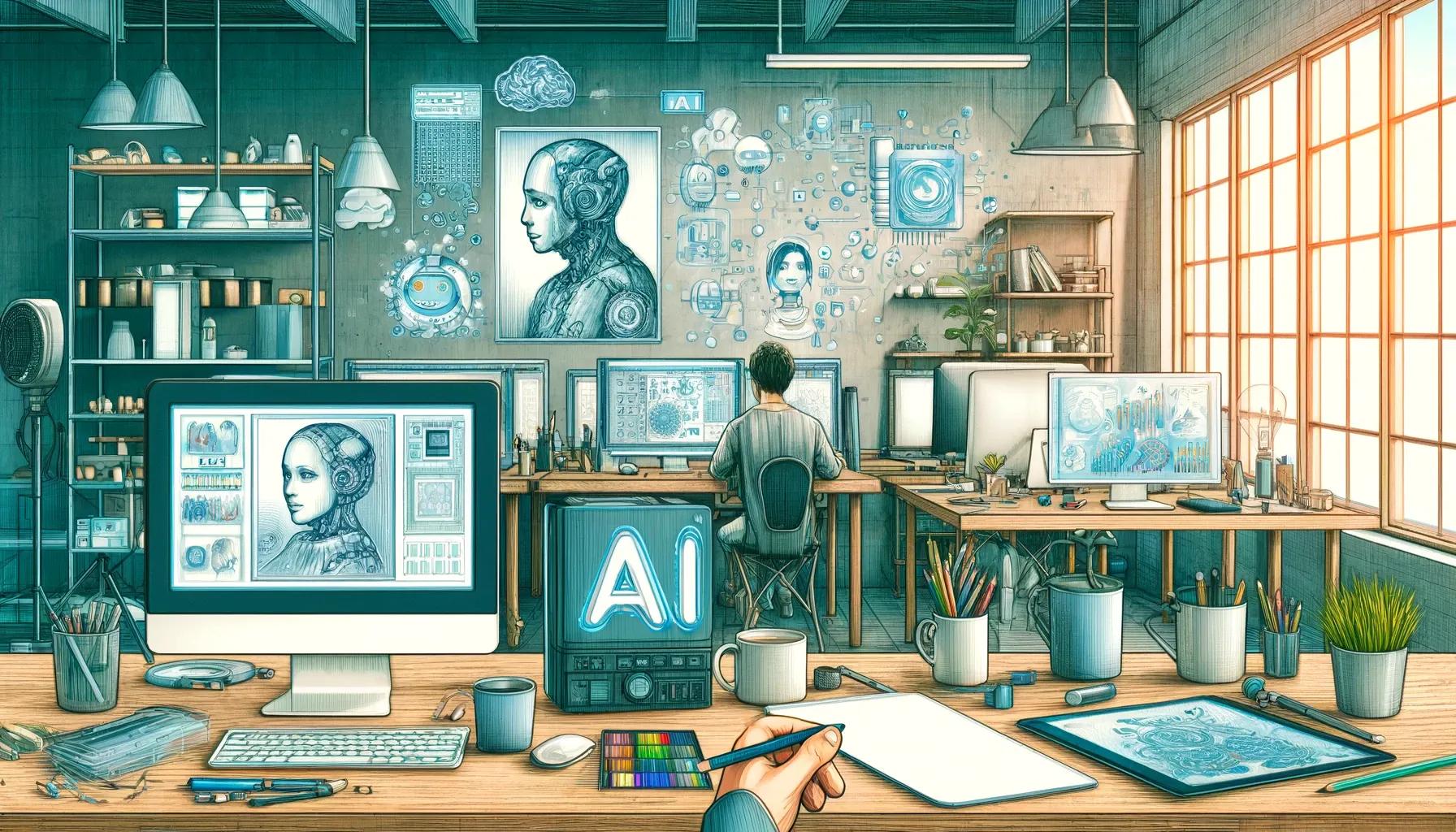
In today’s digital age, the fusion of technology and creativity is not just a trend; it’s a revolution that is reshaping the art world. Artists are increasingly turning to artificial intelligence (AI) tools to enhance their creative processes, streamline workflows, and unlock new realms of artistic expression. In this blog post, we’ll explore practical tips for artists looking to leverage AI tools effectively, providing insights and resources along the way.
1. Explore AI Art Generators
AI art generators like DeepArt and Artbreeder allow artists to create unique pieces by blending various styles and images. These tools use machine learning algorithms to analyze and replicate artistic styles, enabling users to experiment with different aesthetics.
Tip: Start by uploading your artwork or photographs to these platforms and explore the results. Experiment with different settings and parameters to see how they transform your art. This process can inspire new ideas and directions for your projects.
2. Use AI for Idea Generation
Platforms like RunwayML and DALL-E 2 can help artists brainstorm and visualize concepts. By inputting prompts or themes, these tools generate a variety of images or concepts that can spark creativity.
Tip: Use these AI tools as a brainstorming partner. Input different keywords related to your project, and let the AI suggest visuals or themes. This collaborative process can help break through creative blocks and lead to fresh perspectives.
3. Enhance Your Editing Workflow
AI-powered editing tools such as Adobe Photoshop’s Sensei and Luminar AI can significantly streamline your editing process. These tools use AI algorithms to automate repetitive tasks, such as background removal, color correction, and image enhancement.
Tip: Familiarize yourself with the AI features in your favorite editing software. For example, try using the “Content-Aware Fill” feature in Photoshop to quickly remove unwanted elements from your images. This will save time and allow you to focus on the creative aspects of your work.
4. Create Personalized Art with AI
AI tools can analyze user preferences and create personalized art pieces. Websites like 'This Person Does Not Exist' generate realistic portraits of non-existent people, while AI Portraits can transform your photos into classical artworks.
Tip: Consider using these tools to create custom art pieces for clients or as unique gifts. Personalization adds value and can enhance the emotional connection people have with art.
5. Collaborate with AI
Some artists are embracing AI as a collaborator rather than just a tool. AICAN is an AI artist that generates unique artwork based on a dataset of human-created art. Artists can collaborate with AICAN to create pieces that blend human creativity with machine learning.
Tip: Experiment with collaborative projects. Use AI-generated elements in your work and see how they interact with your style. This can lead to innovative outcomes and a deeper understanding of how technology can enhance creativity.
6. Stay Updated on AI Developments
The field of AI is rapidly evolving, and staying informed about the latest advancements can provide artists with new tools and techniques. Websites like The Verge and TechCrunch regularly feature articles on AI innovations, including those related to art.
Tip: Follow industry news and join online communities focused on AI in art. Engaging with fellow artists and tech enthusiasts can provide valuable insights and inspire new projects.
7. Understand the Ethics of AI in Art
As AI continues to permeate the art world, it’s essential for artists to consider the ethical implications. Issues such as copyright, originality, and the potential for AI to replace human creativity are important discussions in the community.
Tip: Take time to research and engage in conversations about the ethics of AI in art. Understanding these complexities can help you navigate your creative practice responsibly and thoughtfully.
8. Explore AI-Powered Marketplaces
AI can also assist artists in selling their work. Platforms like Saatchi Art and Artfinder use algorithms to match artworks with potential buyers based on preferences and previous purchases, increasing visibility for artists.
Tip: Take advantage of these AI-driven marketplaces by optimizing your listings with relevant tags and descriptions. This will help the algorithms recommend your work to the right audience, enhancing your chances of making sales.
9. Incorporate Feedback Loops
Some AI tools offer feedback mechanisms that allow artists to refine their work based on audience reactions. For instance, platforms like Patreon and Ko-fi let artists share works-in-progress and gather feedback, which can be invaluable for creative growth.
Tip: Use feedback from your audience to improve your work. Regularly engage with your followers, ask for their opinions, and consider their suggestions in your creative process. This iterative approach can help you evolve your style and better connect with your audience.
Conclusion
Combining technology and creativity through AI tools can open up a world of possibilities for artists. By exploring various platforms, embracing collaboration, and staying informed about ethical considerations, artists can harness the power of AI to enhance their creative practice.
If you're looking to jumpstart your journey into AI-assisted art, consider checking out RentPrompts. This platform provides artists with customizable AI prompts to inspire new projects and ideas. Whether you're a seasoned artist or just starting, RentPrompts can help you unlock your creative potential in exciting ways.
RentPrompts are all-in-solution .
By integrating these tips into your workflow, you can not only streamline your processes but also elevate your art to new heights. Embrace the technology available and watch your creativity flourish!
0 Comments

No comments yet. Be the first to start the discussion!