Introduction
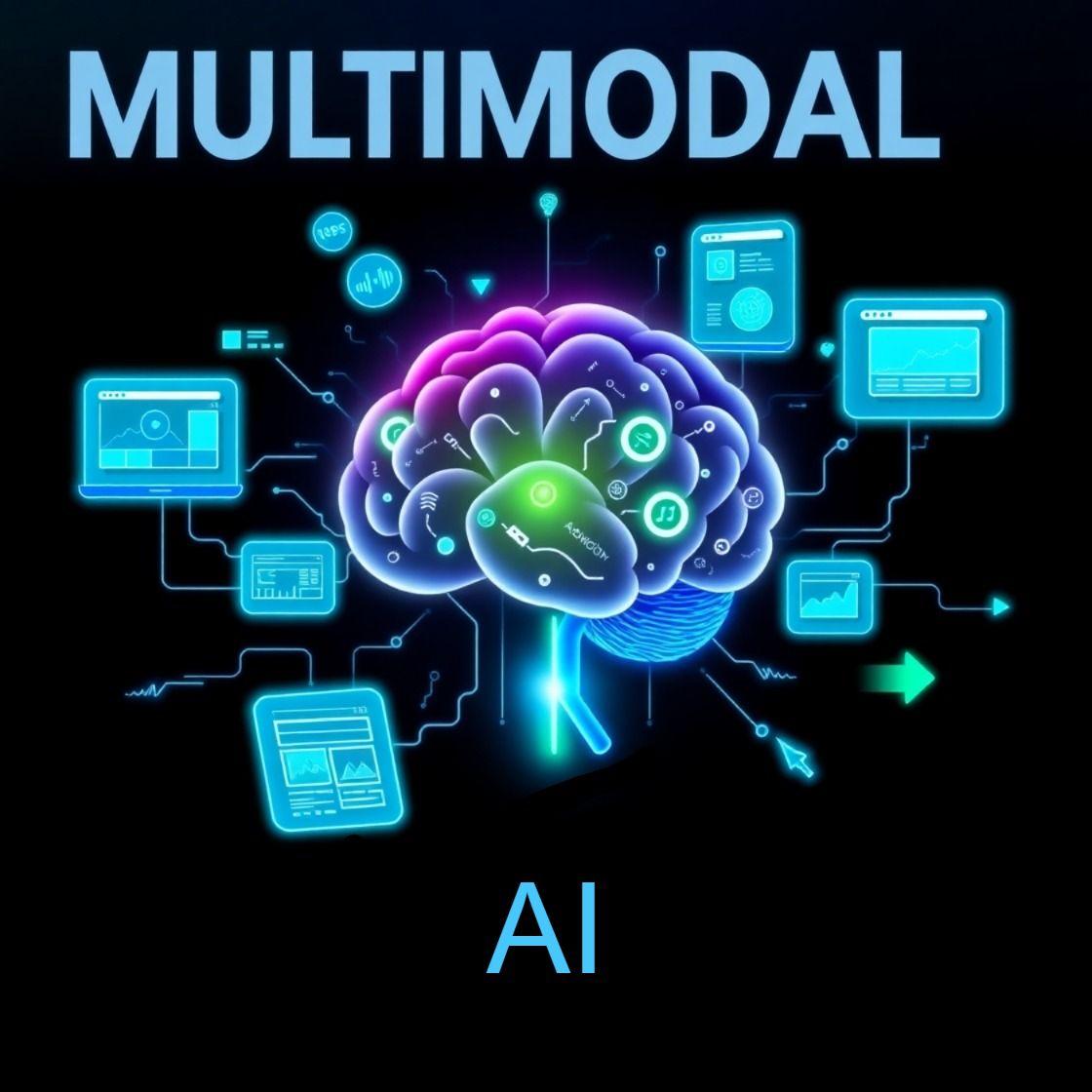
Artificial Intelligence is evolving rapidly, and one of the most exciting breakthroughs in recent years is multimodal AI. This advanced technology can process and integrate multiple forms of data, including text, images, video, and audio. By understanding and combining different types of inputs, multimodal AI is transforming the way we search for information and create content. These advancements are making search more intuitive and content creation more efficient, opening up endless possibilities for individuals and businesses alike. In this blog, we will explore how multimodal AI is reshaping these domains and what the future holds.
How Multimodal AI is Revolutionizing Search:
Smarter and More Context-Aware Search
Traditional search engines rely heavily on keywords, often delivering results that may not fully match what a user is looking for. Multimodal AI enhances search capabilities by understanding the context and intent behind queries rather than just focusing on exact keyword matches.
For example, AI-powered search engines now analyze images, voice commands, and text inputs together to deliver more relevant and personalized results. If someone searches for "best hiking shoes for rough terrain," an AI-enhanced search engine will not just display a list of links. Instead, it will analyze product reviews, specifications, and user experiences to recommend the most suitable options. This approach ensures that users receive the most relevant and high-quality information based on their needs.
The Rise of Visual and Voice Search:
Searching for information is becoming more natural and intuitive, thanks to advancements in visual and voice search. Instead of typing queries, users can now use images or voice commands to find what they need.
• Visual Search: Tools like Google Lens allow users to search using images. By simply pointing their phone camera at an object, users can instantly receive information about it, identify products, recognize landmarks, and even translate text in real time.
• Voice Search: Smart assistants like Siri, Alexa, and Google Assistant are improving in their ability to understand natural language. This makes hands-free searches more efficient and accurate, allowing users to ask complex questions and receive precise answers.
Cross-Modal Understanding:
One of the most groundbreaking aspects of multimodal AI is its ability to understand different types of inputs together. This cross-modal capability means that AI can analyze text, images, and voice simultaneously to provide more meaningful responses.
For instance, imagine taking a picture of an unknown landmark and asking, "What is this place?" Instead of just analyzing the image alone, AI can cross-reference it with text-based location data, historical context, and user reviews to provide a comprehensive answer. This level of contextual understanding is making search more powerful than ever before.
How Multimodal AI is Transforming Content Creation:
AI-Generated Text, Images, and Videos
Content creation is no longer limited to human effort. AI tools are assisting writers, designers, and marketers by generating high-quality text, images, and videos at an unprecedented scale.
• Text Generation: AI writing assistants like Chat-GPT help writers craft engaging blog posts, social media content, and marketing copy with ease.
• AI Art and Design: Tools like Mid-Journey and DALL·E can create stunning AI-generated images based on simple text prompts.
• AI Video Editing: Platforms like Runway ML assist in video editing by automating effects, transitions, and even background generation, making high-quality video content creation more accessible.
Interactive and Personalized Content:
Businesses are leveraging AI to create highly interactive and personalized content based on user preferences and behaviors. This personalization helps brands connect with their audiences more effectively.
• E-commerce Websites: AI tailors product descriptions and recommendations based on customer browsing history and preferences.
• Streaming Services: AI curates personalized content recommendations, helping users discover movies, shows, and music that match their tastes.
• Marketing Campaigns: Brands are using AI to analyze user engagement and optimize their content strategy, ensuring that marketing messages are delivered to the right audience at the right time.
Automatic Captioning and Summarization:
AI-powered tools are making content more accessible by automatically generating captions and summaries for videos, articles, and presentations.
• Video Content: Long-form videos can be transformed into short, engaging clips optimized for social media platforms.
• Transcripts and Highlights: AI can generate accurate transcripts, making it easier to repurpose content for blogs, newsletters, and online discussions.
• Summarization Tools: AI-driven tools help condense long articles into concise summaries, allowing readers to grasp key points quickly without missing critical information.
AI-Assisted Creativity:
AI is not replacing human creativity, instead, it is acting as a co-pilot, helping creators work more efficiently and push creative boundaries.
• Writers: AI provides suggestions for blog topics, drafts outlines, and even refines writing to make content more compelling.
• Designers: AI-powered tools assist in generating layouts, logos, and branding materials, speeding up the design process while maintaining artistic quality.
• Musicians: AI-assisted composition tools help musicians generate melodies, background scores, and even lyrics, inspiring new creative possibilities.
What’s Next for Multimodal AI?
The future of multimodal AI is full of exciting possibilities. As technology continues to evolve, here are some key trends to watch:
• Hyper-Personalized Search: AI will refine search results based on individual user preferences, offering even more precise and tailored information.
• Real-Time Content Creation: AI will generate high-quality, custom content instantly, making it easier for businesses and individuals to create and share engaging materials across digital platforms.
• Ethical AI and Bias Reduction: Developers are working to ensure that AI remains unbiased, ethical, and inclusive, preventing misinformation and promoting fairness in content generation and search.
Conclusion:
Multimodal AI is not just a technological advancement—it represents a fundamental shift in how we find, create, and interact with digital content. From enhancing search experiences to revolutionizing content creation, AI is paving the way for a more intuitive and interactive digital landscape.
As AI continues to evolve, those who embrace it will have a competitive edge, whether in business, content creation, or research. Understanding and leveraging multimodal AI will be key to staying ahead in this rapidly changing digital world.
Are you ready to explore the potential of multimodal AI in your content strategy? The future is already here, and it’s time to make the most of it.